
Creating consistent and user-friendly betting interfaces requires a deep understanding of how players interact with digital platforms and the psychological factors that influence their decisions. Universal interaction standards serve as a foundation for designing interfaces that feel intuitive, predictable, and trustworthy across diverse betting environments. By establishing these standards, designers can create a cohesive experience that minimizes confusion, reduces cognitive load, and encourages positive engagement while maintaining responsible gambling practices.
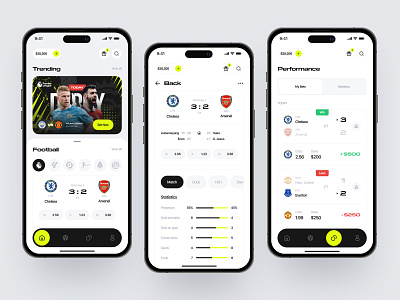
One of the core principles of universal interaction standards is consistency. Users expect certain behaviors and responses from interface elements, such as buttons, sliders, and menus. When these elements operate in a predictable manner across different parts of the platform, users can navigate and make decisions more efficiently. For example, a “place bet” button should maintain the same color, size, and position regardless of the type of game or sport being bet on. Consistency extends beyond visual design to include interaction feedback; animations, sounds, and confirmations should follow uniform rules so users can form reliable expectations about how the platform responds to their actions.
Another critical component is accessibility. Universal interaction standards must accommodate users of varying abilities, ensuring that color schemes, text sizes, and interface layouts are readable and navigable for all. Features such as keyboard shortcuts, screen reader compatibility, and high-contrast modes not only enhance inclusivity but also improve the overall usability for all players. By embedding accessibility into the standard interaction framework, betting platforms demonstrate a commitment to user-centered design and responsible engagement.
Clarity is equally essential. Interfaces should clearly communicate available actions, potential outcomes, and any associated risks. Ambiguous icons or terminology can lead to misunderstandings, accidental bets, or frustration. Universal standards encourage the use of simple, descriptive labels, intuitive icons, and progressive disclosure techniques that reveal information gradually as users need it. Tooltips, hover states, and contextual help elements reinforce clarity, guiding users through complex betting options without overwhelming them.
Feedback mechanisms form another pillar of interaction standards. Users rely on immediate and meaningful feedback to confirm that their actions have been successfully executed. This can range from visual cues, such as button highlights and status messages, to auditory signals and haptic feedback on mobile devices. Standardizing feedback across all betting scenarios allows users to develop trust in the system, as they can consistently rely on the interface to signal confirmations, errors, or warnings.
Error prevention and mitigation are closely linked to feedback. A universal interaction standard emphasizes designing interfaces that reduce the likelihood of mistakes. For example, confirmation dialogs, undo options, and warnings about high-risk bets help users make informed choices. When errors do occur, recovery should be straightforward and transparent, with clear instructions on how to correct issues without causing unnecessary stress or confusion.
Responsiveness and performance are integral to interaction standards. Interfaces must respond promptly to user input, maintaining a fluid and uninterrupted experience. Delays, lag, or inconsistent response times can undermine trust and frustrate users, potentially leading to disengagement. Universal standards advocate for efficient data handling, optimized rendering, and seamless updates that keep the platform fast and reliable, whether accessed via desktop, tablet, or mobile devices.
Cross-platform consistency is another key consideration. Modern bettors often switch between multiple devices, expecting a seamless experience. Universal standards ensure that interaction patterns, layout structures, and feature access remain consistent across platforms, preserving familiarity and reducing the learning curve. Whether a user is interacting via a smartphone app, web browser, or tablet interface, the core interaction logic should remain uniform, allowing users to transition effortlessly between devices.
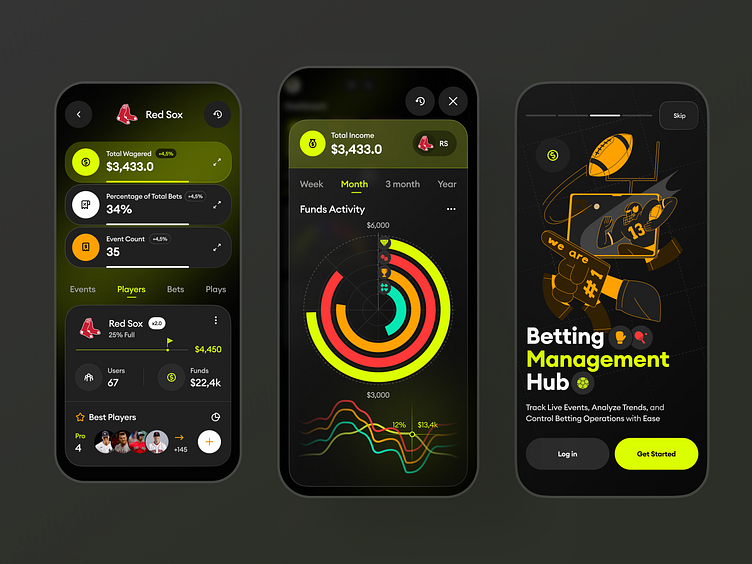
Transparency in information presentation also reinforces trust and aligns with universal standards. Betting interfaces should provide clear visibility into odds, payouts, and terms of play. Standardizing the display of critical information helps users compare options easily and make informed decisions. Transparency extends to account management, deposit and withdrawal processes, and privacy settings, all of which benefit from consistent, clearly labeled interactions that build confidence in the platform.
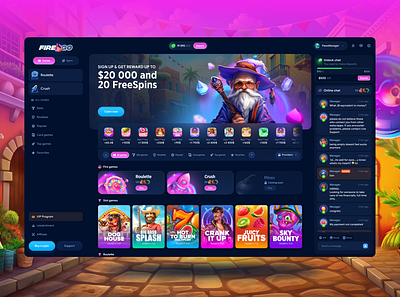
Engagement guidance is another aspect shaped by universal standards. Platforms can utilize visual hierarchies, grouping related actions and information to direct user attention efficiently. Highlighting key actions, such as upcoming events or popular bets, while keeping secondary options accessible but unobtrusive, helps maintain focus and reduces decision fatigue. These principles ensure that users are neither overwhelmed nor left uncertain about where to act next.
Finally, ethical considerations underpin all universal interaction standards. By providing clear, predictable, and responsible interface behaviors, platforms support safer gambling practices. Standardizing features like self-exclusion tools, deposit limits, and session reminders within the interaction framework ensures they are easily discoverable and usable, reinforcing responsible engagement while preserving the enjoyment and competitiveness of betting activities.
In essence, universal interaction standards unify the design of betting interfaces by establishing predictable behaviors, clear communication, responsive performance, and ethical usability. They balance user satisfaction, operational efficiency, and regulatory compliance, creating a platform where players feel informed, confident, and in control. Through these standards, betting interfaces can achieve both functional excellence and a positive emotional experience, fostering loyalty, trust, and long-term engagement.




Leave a Reply