
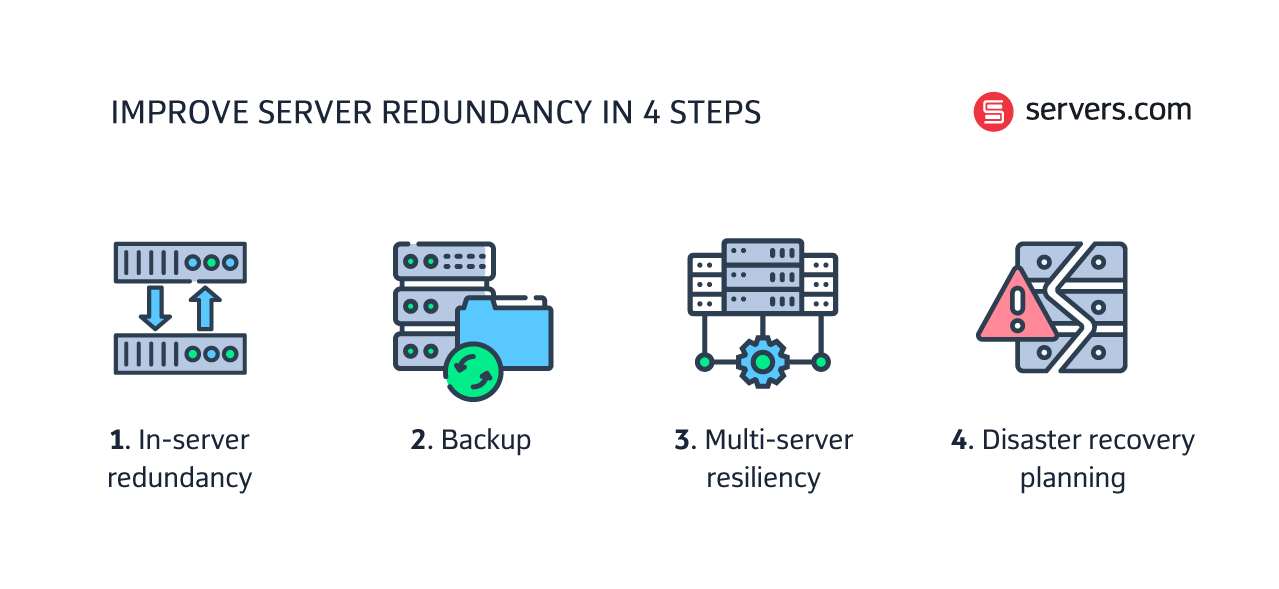
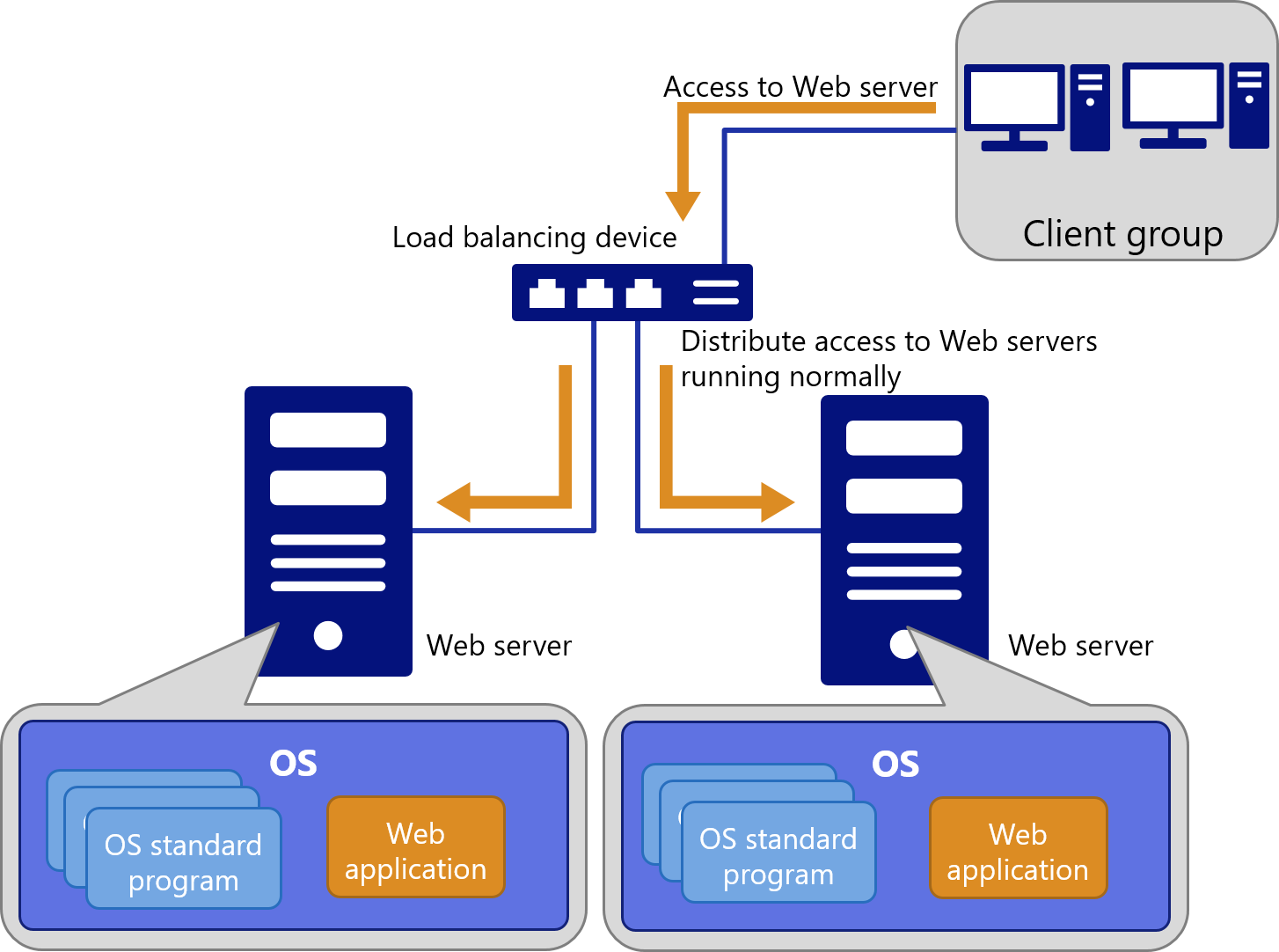
In modern online betting platforms, the reliability of infrastructure plays a pivotal role in shaping user experience and sustaining trust. Users expect seamless access to services at all times, and any disruption can erode confidence, leading to attrition. High availability is a cornerstone of platform reliability, ensuring that betting systems remain functional even under heavy traffic or unexpected server failures. This requires a robust network architecture with redundant servers, load balancers, and failover mechanisms. Redundancy ensures that if one component fails, another can take over instantly without service interruption. Equally important is the geographic distribution of data centers. By deploying servers across multiple regions, platforms can mitigate risks associated with localized outages, natural disasters, or network congestion. This also reduces latency for users worldwide, offering a smooth and responsive betting experience.
Scalability is another critical dimension of infrastructure assurance. Online betting platforms must be able to handle spikes in user activity during major sporting events or promotional campaigns. Elastic infrastructure, often supported by cloud technologies, allows dynamic allocation of computing resources based on real-time demand. This prevents system slowdowns and maintains transaction accuracy, which is crucial for betting applications where timing is critical. Alongside scalability, monitoring systems must provide real-time insights into system health. Continuous monitoring of server performance, database queries, and network traffic enables early detection of anomalies before they impact users. Advanced analytics and predictive models can even forecast potential failures, allowing proactive maintenance rather than reactive troubleshooting.
Data integrity and transaction accuracy are central to maintaining user trust. Every bet placed, odds calculation, and payout must be recorded accurately, without discrepancies. This requires the integration of robust database systems with transactional guarantees such as ACID compliance, ensuring consistency even in the event of failures. Furthermore, auditing mechanisms provide a verifiable trail of all user activities and financial transactions. Regular audits, both internal and external, confirm the integrity of these systems and provide assurance that platform operations are fair and transparent. Security is inherently tied to reliability; a secure infrastructure protects against unauthorized access, fraud, and service disruptions. Encryption of sensitive data, multi-factor authentication for users, and intrusion detection systems safeguard the platform while contributing to overall reliability.
Disaster recovery planning is another essential aspect of infrastructure assurance. Comprehensive recovery strategies define procedures for responding to various failure scenarios, including server crashes, data corruption, or cyberattacks. Backup systems, regular snapshots of databases, and well-defined restoration protocols ensure that services can resume quickly with minimal data loss. Testing these recovery plans through simulations and drills reinforces preparedness, ensuring that technical teams can respond efficiently under pressure. In addition, adherence to regulatory standards and certifications, such as ISO 27001 for information security management, provides formal validation of operational reliability. Compliance demonstrates to users and stakeholders that the platform meets internationally recognized benchmarks for reliability, data protection, and risk management.
User experience is directly impacted by infrastructure reliability. Slow loading times, transaction delays, or system errors create frustration and can discourage continued engagement. Therefore, performance optimization at every layer—from front-end interface to backend processing—is necessary. Caching strategies, optimized database queries, and efficient content delivery networks all contribute to reducing latency and ensuring responsive interaction. Seamless integration with third-party services, such as payment processors, live score providers, and identity verification systems, further enhances reliability. Any bottleneck or failure in these integrations can compromise the platform’s overall stability, emphasizing the need for rigorous testing and ongoing maintenance.
Redundancy and failover mechanisms also extend to critical services such as authentication, session management, and messaging systems. Ensuring that users can log in, place bets, and receive notifications without interruption reinforces confidence in the platform. Additionally, automated alerting systems notify technical teams immediately when anomalies occur, enabling rapid intervention before issues escalate. Continuous improvement is essential; infrastructure should evolve in response to emerging technologies, increasing user demands, and evolving security threats. By embracing a culture of proactive maintenance, performance monitoring, and system upgrades, platforms can maintain reliability over time and adapt to changing conditions without compromising service quality.
Transparency and communication are often overlooked but vital elements of infrastructure assurance. When maintenance or unexpected disruptions occur, timely communication with users can mitigate frustration and reinforce trust. Providing status updates, estimated resolution times, and explanations for outages demonstrates accountability and commitment to user experience. Combined with robust technical measures, transparent communication forms a holistic approach to reliability that addresses both operational and perceptual aspects.
Finally, resilience is a measure of long-term infrastructure assurance. Beyond immediate redundancy and failover, resilience encompasses the ability to recover from compounded failures, adapt to new threats, and maintain service continuity under diverse conditions. This requires not only technological solutions but also well-trained operational teams, clear incident management protocols, and an organizational culture that prioritizes reliability. By integrating redundancy, scalability, monitoring, security, disaster recovery, performance optimization, and transparent communication, a betting platform can achieve high levels of infrastructure reliability. This ensures that users experience consistent, secure, and uninterrupted service, reinforcing trust, satisfaction, and long-term engagement with the platform.
The combination of these strategies positions platforms to meet the demanding expectations of modern online betting users. As competition intensifies and user expectations rise, platforms that invest in infrastructure reliability and operational assurance gain a significant advantage. Users are more likely to engage repeatedly and recommend services that demonstrate resilience, accuracy, and transparency. Ultimately, the reliability of infrastructure is not just a technical concern—it is a foundational element of trust, credibility, and sustainable success in the highly competitive online betting landscape.




Leave a Reply